Saturday, September 27, 2014

Flat Feet and Overpronation


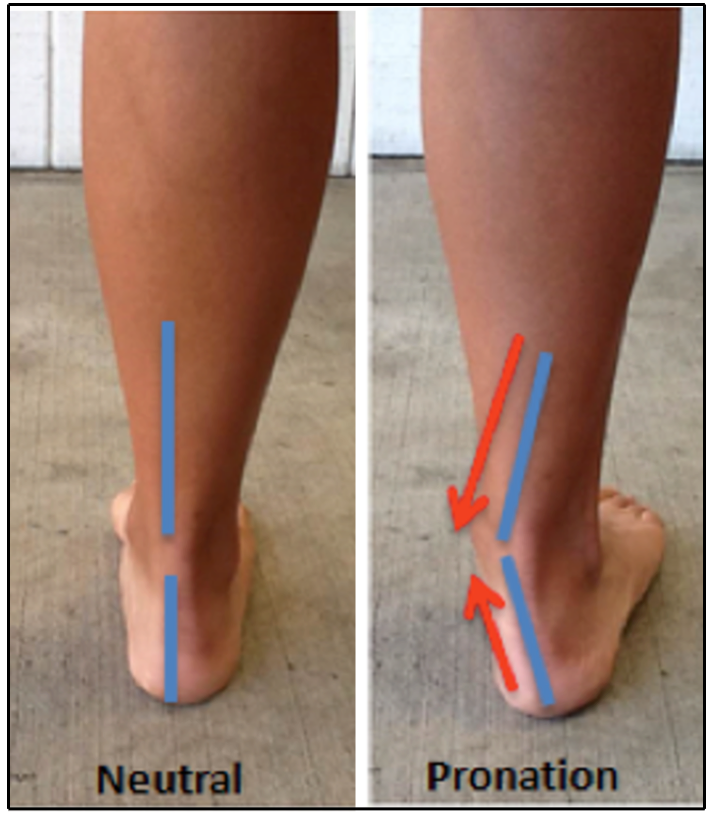
Pronation is the inward roll of the foot while doing activities such as running or walking. Pronation isn't necessarily a bad thing. Everyone pronates to a certain degree and that's normal. In fact, pronation is actually necessary because it absorbs shock.

However, when the foot pronates more than normal, that leads to trouble. This is called overpronation and is common in people with flat feet or low arches, although anyone can overpronate. Overpronation often causes overuse type injuries. The excess inward rolling motion puts pressure on the certain parts of the legs including the knees, posterior tibial tendon, and the medial side of the shins and that pressure can cause injuries.

To tell if you have flat feet, stand in front of a mirror normally as you usually would and look at the bottoms of your feet. If there's no arch, then you probably have flat feet. The reason to do this while standing up is because the majority of people who have flat feet have flexible flat feet. This means that when no weight is put on the feet, then they have visible arches. But when weight is put on them, the arches collapse. This is also called fallen arches.

When the feet have no arches no matter if weight is put on them or not, this is called rigid flat feet. It usually is something people are born with and most of the time, they can't be fixed without having invasive treatment. However, just because you have flat feet doesn't mean you're injury-prone. There are people with rigid flat feet who have never gotten injured. People with rigid flat feet should look into buying orthotics.

To find out if you overpronate, stand in front of the mirror and look at the back of your feet. If your feet lean in and you can see the toes on the outside, then that probably means you overpronate. Some people only overpronate during running, when a lot of weight is placed on the feet, so if you found that you don't overpronate while standing, it's a good idea to have someone take a video of you from behind while you run to detect if you overpronate.

Flexible flat feet cannot be completely fixed if you're done growing but the arches of your feet can be lifted a bit. Overpronation also can be corrected. All of this can be done without surgery or spending hundreds of dollars. All it takes is the proper foot strengthening exercises. And if overpronation is the cause of your shin splints and it can be fixed, then that means by getting rid of your flat feet and overpronation, you can get rid of your shin splints forever.


The Importance of Foot Strengthening Exercises


Can you easily spread your toes apart without batting an eye?

No? Chances are, your feet muscles are weak and your foot health isn't very good. But don't worry most of us North Americans are in the same boat. For most of the day, we wear shoes. And those shoes don't give our feet enough space for them to move naturally. Wearing stable, highly cushioned shoes that are supposed to protect our feet make it even worse because not using muscles results in weak muscles.

In addition to that, our toes aren't really used for anything other than walking, running, and jumping, etc., and during those activities, the only way we use our toes is to push off. Because we only use the muscles in our feet in one way, we lose function of them and now most of use even have trouble spreading our toes. Think about it and ask yourself, how easily can I spread my fingers?

You may be thinking, there's a reason we lost muscle function in our feet. We never need to use them - they aren't important. But think again. With strong feet, there's less chance of bunions and other foot deformities, less risk of plantar fasciitis, achilles tendonitis, posterior tibial tendonitis, shin splints, and practically any other injury involving the legs. How's that for something important?


 Weak feet can result in strain in parts of our body that are miles away from them, like the back. Strong feet are especially important in athletes because most likely, the sport or sports you play involve running. Each step you take when running puts an average of 300 pounds of stress on your legs. That's a lot of abuse your feet are taking and if you want them to hold up, they'd better be strong.

Weak feet can also be the root of your problems, shin splints. Feet aren't where shin splints take place but they are the foundation of your entire body and look at it this way: a house's foundation has to be strong or else the whole thing will fall apart. So if they are the cause, fix your feet and fix your shin splints.

Even if you think the problem that caused your shin splints can't be fixed, perhaps because it is something you were born with, like flat feet/fallen arches, strong feet can still help. Stronger feet are more stable and with more stable feet, overpronation can be reduced. Also, arch exercises may even lift your arches a bit. It's possible and I know because I've done it.

For those who aren't injured, foot strengthening is still extremely important because they reduce the risk of leg injuries.

Foot strengthening exercises don't take much time and aren't exhausting. They aren't even that hard but the benefits of them are beyond great. Doing them for even five minutes a day can help immensely and best of all, they can be done anywhere and most of them can be done without people noticing.

I'll be covering and explaining different feet strengthening exercises in another post.


Friday, September 26, 2014

Shin Splints Treatment General Guidelines

Every case of shin splints is different. Some cases may be more severe, some may be more mild.  Some may be caused by overpronation, some may be caused by plain overuse. Some may involve the medial part of the shin, some may involve the anterior muscle. Some may even involve the posterior tibial tendon. Some may hurt only when running, while others will be at the point where it even hurts when walking.

Because there are so many different cases of shin splints and they all vary from person to person, there is no one set way to treat shin splints. The treatment will have different timelines and include different exercises.

However, there is a general guideline that all people with shin splints can follow, though I will be getting in depth with all the treatment methods later. Keep in mind that this general guideline will have to be altered to fit how your needs and how you feel.


The First Few Days After Injury
The first few days after you've gotten shin splints and actually realized that it's not just soreness, it's an injury, stop whatever physical activity you were doing that caused the shin splints, immediately. These days, you want to pretty much refrain from doing any physical activity even walking. Low impact exercises such as swimming can be done if you don't feel any pain doing it though you shouldn't exhaust yourself because your body needs energy to repair your shin muscles and tendons.

Stay off your feet as much as possible and elevate your feet whenever you can. During this period, it is crucial to ice your shins every few hours for 10 to 20 minutes each time. Regular ice packs or ice in a bag is okay but what I really recommend are ice cups.

Credit


They are really simple to make. All you need is a paper or styrofoam cup. Fill in with water and put it in the freezer for a few hours until all the water is frozen. Then either push the ice partly out of the cup or tear the top of the cup down to reveal the ice. Rub it hard on your shins for an ice massage that works wonders and is ten times more effective that regular ice packs. Compression socks to improve blood flow are also highly recommended.

Also, now's the time to start massaging your shins with foam rollers, balls, and your hands. I'll talk in detail about this later.


When Most of the Pain Has Faded
After you've been injured for a few days and it doesn't hurt as much any more, you can start doing rehab exercises. Rehab exercises are the most important part of curing shin splints. That's because, by doing strengthening exercises, you can target and fix the problems and weaknesses that caused the injury in the first place.

Contrary to popular belief, just resting and icing isn't going to heal your shin splints unless if your injury was caused by pure overuse which isn't the case most of the time. Even if your shin splints do heal, you're very likely to get re-injured very soon because the weakness or imbalance that caused your injury is still there. Ice and rest aren't going to fix any weakness you have. In order to fix them, you have to do strengthening exercises.

Continue with icing, compressing, and massaging, and don't do any physical exercise that puts excessive impact on your legs, like running.


When the Pain is Completely Gone
When the pain is completely gone, or you think it's completely gone, test yourself to see if it's still there. Sometimes you may not experience any pain when walking or resting but when you jump or run, it still may hurt.

The first test you should do is jump from foot to foot on your tippy toes. Do this for a few seconds and if it doesn't hurt, you've passed. If you even felt a slight twinge in your shins, you may want to keep on resting and icing for a few days.

The next test is to run up the stairs. Does it hurt or not? No pain means you've passed.

If you've passed both tests, it's time for the last one. Do the activity you were doing that caused the shin splints which for most of you, is probably running. Do just 20 minutes of it and assess how you feel. Again, if you even felt a twinge, that means you're not ready to go back to running yet. Other physical activities that don't involve running are fine if you take it easy. If you felt no pain, slowly return to running or whatever physical activity you were doing before but continue to ice, compress, and most importantly, do strengthening exercises.


Monday, September 22, 2014

Shin Splints Causes


Shin splints can be caused because of many different reasons and sometimes because of more than one. They occur when excessive pressure is put on the lower leg muscles and when there is too much impact put on them. Most cases of shin splints occur due to overuse or improper biomechanics. The main causes of shin splints are:

Overuse. 
When the muscles and tendons in the shin are pressured and worked more than they are used to, shin splints can occur. This reason for shin splints is common among beginner runners who are new to the sport and just starting to ramp up their mileage. In other words, doing too much, too soon is one of the biggest causes of shin splints.

Overpronation/Flat Feet.
People who overpronate or flat feet are more susceptible to getting shin splints, especially during running. Pronation is the eversion or inward roll of the foot. While the right amount of pronation helps distribute the force of impact as you run, too much of it, called overpronation can lead to problems such as excess stress on the posterior tibial tendon and muscles around the area which causes shin splints. People who have flat feet or fallen arches tend to overpronate so they are more likely to get shin splints than people with normal arches,

Improper biomechanics. 
The way you run or walk may be causing your shin splints. Inefficient gait may put excessive impact on lower legs as your legs hit the ground and as that happens over and over again, shin splints may develop as a result.

Improper running shoes.
Having proper, nicely fitting running shoes is key to staying healthy and injury-free. Improper or ill-fitting shoes can alter your running form which can lead to injuries. Also, in contrast to what most people think, heavily cushioned shoes may not be all that good. In fact, bare feet may be the best running shoes as that's the way humans were meant to run, after all. Barefoot running also strengthens the legs and feet, which makes them less prone to injury, However, doing too much, too soon of it is harmful as is too much, too soon of anything else.

These are the most common causes of shin splints. It is important to understand what is causing shin splints to be able to treat them effectively. To fix them, the cause of them must be targeted so try to figure out what's causing your shin splints.


Sunday, September 21, 2014

What Are Shin Splints?


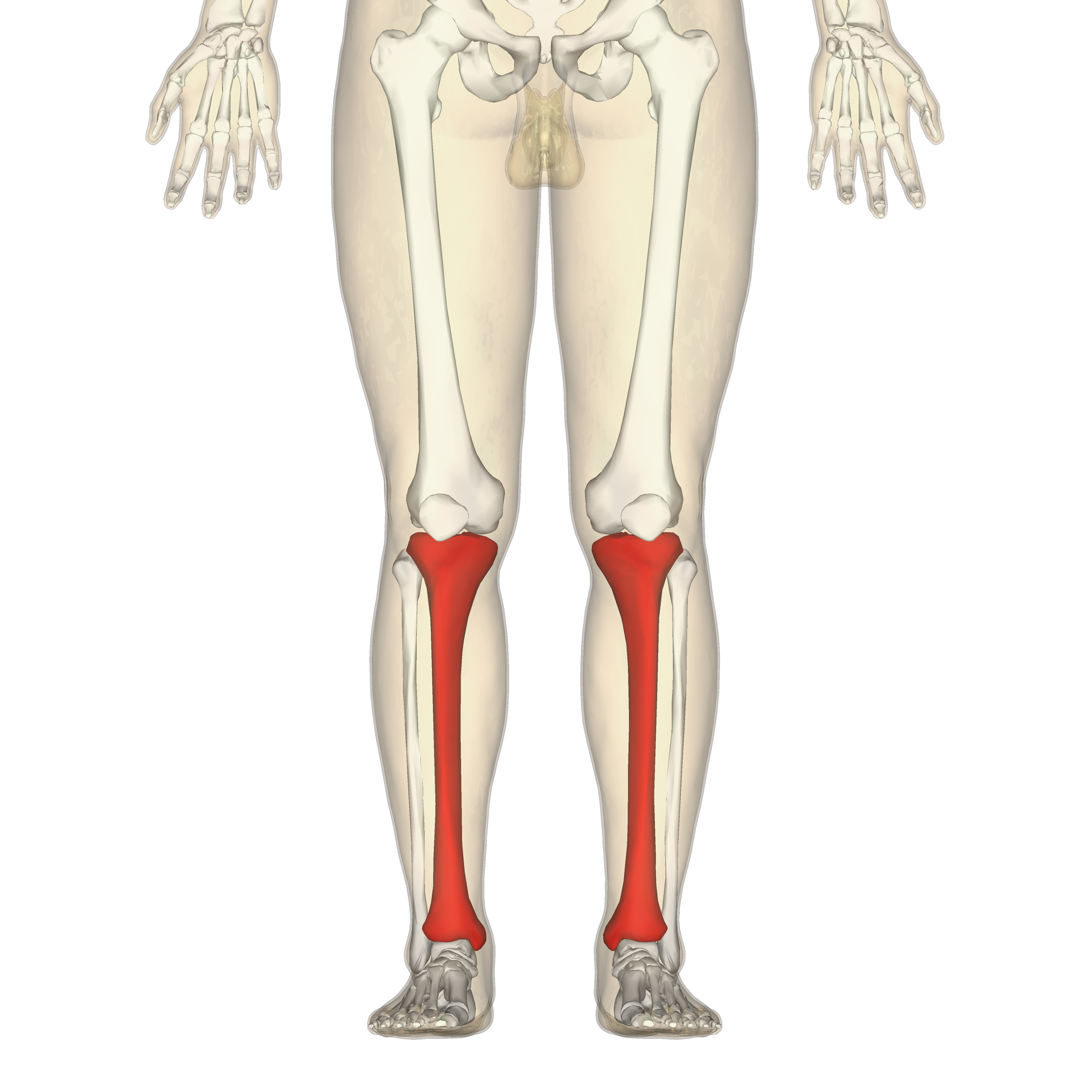
Shin splints are a common injury that involves pain in the lower shins and in some instances, just behind the shin bone in the calves. It is an inflammation of the muscles and tendons around the tibia, which is a bone in the lower legs. Although shin splints can affect anyone, they usually occur in athletes such as runners, dancers, or any athlete that participates in any sports involving a fair amount of running or jumping. Generally, shin splints is caused by overuse of the lower legs or improper bio-mechanics. Shin splints are a painful and very stubborn injury but with proper treatment, rest, and exercise, they can be cured.

There are two main types of shin splints, medial (posterior) shin splints and anterior shin splints. The symptoms of the two are very similar but the pain occurs in different places, depending on which muscles/tendons are injured.
                                                   
Medial Shin Splints
The more common type of shin splints, medial shin splints affect the back and inside muscles of the shin. Pain usually appears during exercise, especially running, and worsens as exercise continues. After stopping, medial shin splints pain generally disappears within ten minutes, or subsides into a dull throb. It may still hurt during any physical activity that involves the legs such as walking or climbing the stairs. The most common causes of this are overuse, tight calf muscles, overpronation, or improper footwear.

Anterior Shin Splints
This type of shin splints affects the muscles in the front and outer parts of the shins. The pain caused by anterior shin splints can become constant, hurting even while resting. The most common causes of anterior shin splints are overuse, muscle imbalances, pressure in the anterior compartment, tight calf muscles, and improper footwear.


Shin splints is a confusing term because it is often used to refer to any type of pain in the shins. Often, this is not a big deal because they can be effectively treated with the same methods as those prescribed on this website. However, sometimes serious conditions can be misdiagnosed as shin splints. If you think you have acute anterior compartment syndrome or a stress fracture, it would be a good idea to seek professional help.